Which are the best affiliate marketing programs 2026 and why?
Affiliate marketing shows no signs of slowing down for 2026. I keep getting asked which affiliate programs are worth the effort, how they pay, and whether there’s any real support for newbies.
There’s a lot to think about, from finding the right niche to figuring out commission structures and the type of training you get. Here’s my take on the best affiliate marketing programs for 2026, along with some practical insights into costs, pros and cons, and the kind of resources you can expect.
This post may contain affiliate links, which means that the owner of this website will get qualifying commissions, at no extra cost to the buyer.
Understanding Affiliate Marketing in 2026
Affiliate marketing means you earn a commission by promoting products or services offered by someone else. The process is pretty simple: you sign up, share your unique links, and get paid when people use those links to make a purchase or take another important action. The technology behind affiliate tracking has improved a lot, making programs more accurate and reliable for both brands and affiliates compared to just a few years ago.
Try Affiliate Marketing for Dummies if you want to learn how to get started. Affiliate marketing is the ideal way for bloggers to monetize their content.
The affiliate marketing industry is growing, with new niches and highpaying opportunities popping up every year. In 2026, it’s not all about Amazon anymore; specialized programs in software, finance, lifestyle, and education now give you way more options to match your audience and interests. Social media, podcasts, and even short video platforms have opened the door for fresh ways to share affiliate content and reach more people.
Top Affiliate Marketing Programs of 2026
I’ve had a chance to check out and test a bunch of different affiliate programs. Here’s a rundown of the ones that stand out for different reasons, including what kind of costs, pros, and cons you’ll run into along the way.
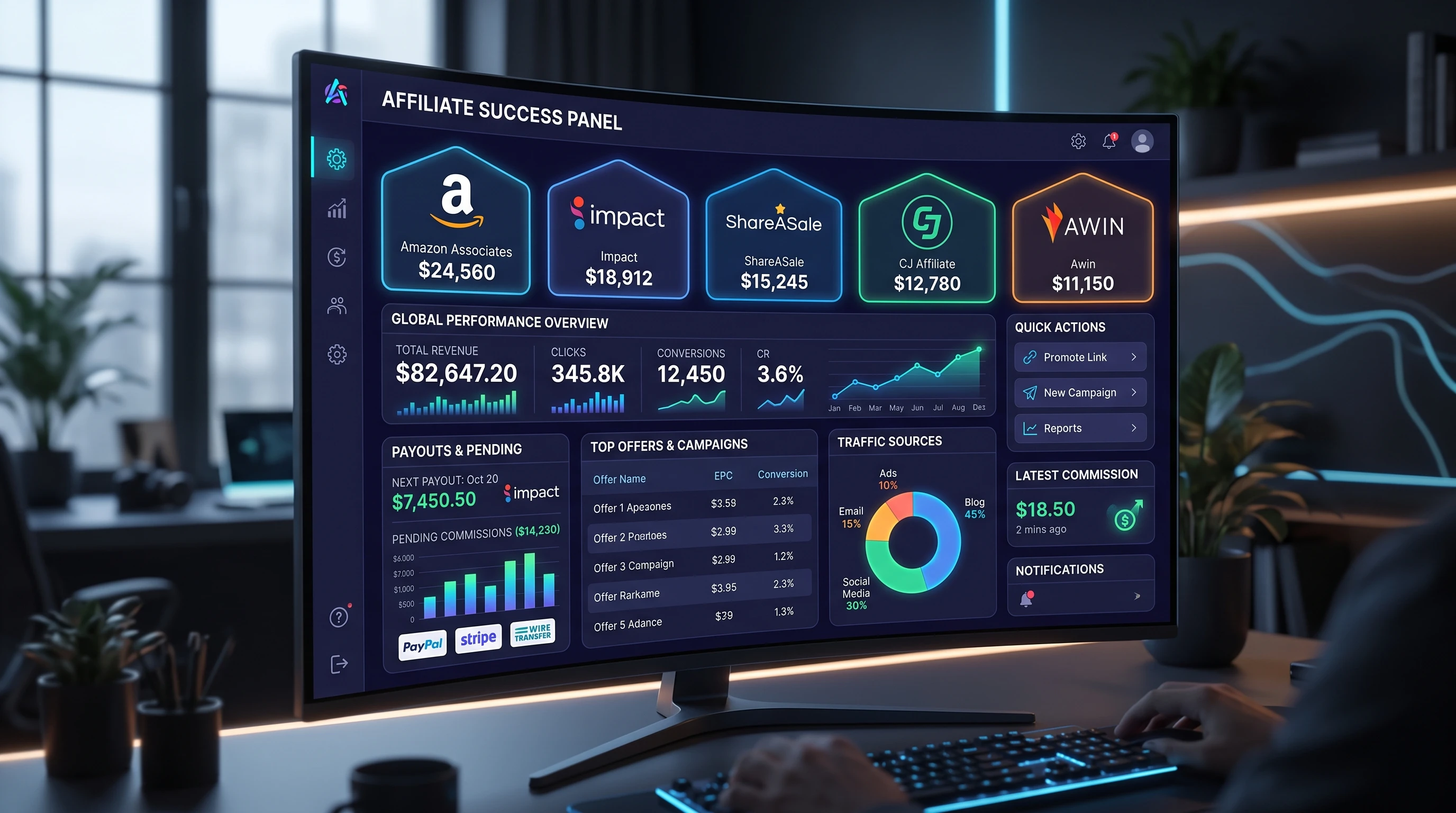
- Amazon Associates: Still one of the biggest. Super easy to join, and you can promote just about anything. Commissions aren’t huge (usually 1-4%), but the volume of products makes up for it. Payouts are reliable and training resources are available, though you’ll want to mix in some variety if you’re after higher income or want to limit risks.
- ClickBank: Known for digital goods like ebooks and courses, which often come with commissions up to 50-75%. There’s no signup fee, and payouts are fast. Keep in mind, some offers can look a little spammy, so careful product selection is important for building trust with your audience. You can learn to sell on ClickBank with Super Affiliate Marketing Mastery.
- ShareASale: Super flexible, hosting thousands of brands in fashion, technology, home, and more. Payouts depend on the merchant but are usually between 5-20%. The interface can feel a bit outdated, but their support and transparency are strong. It’s userfriendly and has free training as well.
- Impact: Works with big names in wellness, retail, and travel. The custom commission structures allow better longterm earnings, and their dashboard is pretty advanced for tracking. Some brand approvals take time, but their learning center and webinars are genuinely useful for everyone, beginners or pros.
- (New for 2026) FinTech Affiliate Networks: As banking, loans, and investing apps grow, specialized finance affiliate programs are popping up quickly. Payouts for leads or successful app signups can reach $50 to $150 or more. Some require stricter verification and more experienced affiliates, but the money can be great if you’re into finance content and have built up an audience that trusts your advice.
- LearnWorlds & Thinkific Partner Programs: For online course and education creators, these platforms offer recurring commissions (20-40%) as long as your signups remain paying customers. Approval is simple and worthwhile, the training content is wellmade, and their support teams are quick to answer questions—something that makes stepping into the education niche smoother.
- Shopify Affiliate Program: For anyone talking about ecommerce, Shopify’s program offers $100-$150 per qualified referral. Their dashboard is easy to find your way through and their learning resources are thorough. However, approval isn’t guaranteed; they want to see highquality, relevant sites or channels before giving the green light.
- Booking.com Affiliate Partner: Travel is back, and Booking.com pays for completed stays (typically 4% commission). The interface is smooth and training is available, but payment minimums are higher than some others, which can affect when you get your commissions—important if you’re just starting out.
Key Costs to Know About
Joining most affiliate programs is free, which is pretty handy and removes a lot of barriers. Some, like specialized finance or software networks, may want to verify your site, email list, or follower count before approving your application. This extra step makes sure their network stays high quality.
Your main costs will usually come from building and maintaining your website (hosting can run $5-$25 per month), email marketing tools, or paying for premium keyword tools to help you find the best products to promote. Some affiliates go for paid ads, but that’s optional and usually best for those with a little more experience who are comfortable tracking conversions.
It’s a good idea to set aside a small budget for things like custom graphics or landing page tools as your business grows. While you can start lean, small investments in trusted tools often pay off by helping you look professional and keep track of important stats, making your affiliate setup more streamlined and efficient over time.
Pros and Cons of Affiliate Marketing Programs
Every affiliate program has its own strengths and weaknesses. I always recommend matching your content and audience to a program’s products and payout style so you build trust and maximize your chances of real results.
- Pros:
-
- You can sign up for free for most programs.
- It’s possible to start parttime and scale up at your own speed, so you don’t have to quit your day job to get started.
- Support and training resources are better than ever, even if you’re brand new and just setting up your first site.
- You’re not responsible for customer service, shipping, or product creation; just focus on content and connections.
- Cons:
-
- Payouts vary, and some programs have minimum earnings required to cash out, which might delay your first payment.
- There’s lots of competition, especially in popular niches, making it important to add your own unique spin.
- Some programs can change commission rates or terms without notice, so it’s smart to read updates from your networks.
- Your earnings can depend heavily on things outside your control, like search engine changes or company policies—being flexible is your friend.
What Kind of Training Can You Expect?
Training and support have improved a lot compared to how things were a few years back. Most of the best programs now offer stepbystep guides, video walkthroughs, active forums, and even oneonone coaching if you’re willing to upgrade to premium (not required, but helpful for those just starting out and looking for hands-on help).
- Amazon Associates: The Amazon Associates Central hub has official tutorials and best practices for link placement, disclosures, and more. The frequently updated FAQs and discussion boards give plenty of realworld tips.
- ClickBank: Free training is available in ClickBank university and through their helpdesk. There are also lots of independent YouTube channels breaking down strategies in plain language, making it easy for beginners to get up to speed without feeling overwhelmed.
- ShareASale: Their resource center is always expanding, including on-demand webinars and email lessons. I found their support team actually answers beginner questions quickly, which can make a big difference if you’ve run into an issue or need to double-check a guideline.
- Impact & Shopify: Both offer live webinars, video walkthroughs, and written guides for technical setup and creative marketing ideas. Templates and case studies are included to help you figure out what works in your space.
Besides official support, there are tons of third-party affiliate marketing courses, with both free and paid options. Don’t feel pressured to throw money at expensive courses right away; there’s plenty you can learn for free while getting hands-on experience, and forums often have up-to-date guides from experienced marketers sharing what’s working now.
How to Pick the Right Affiliate Program for You
I always suggest picking a program that fits your audience and your personal interests and values. If you’re blogging about travel, Booking.com or Expedia might be a great fit. If you’re into tech or software, check out SaaS platforms with recurring commissions and easy tracking. It’s really important to actually believe in what you promote; longterm trust with your readers beats a high payout from a random product every time.
A few things to look for:
- Transparent commission and payout policies that spell out exactly how and when you get paid.
- Good support and accessible training resources.
- Reliable tracking technology (cookie duration matters; longer is usually better so you don’t lose credit).
- Positive reviews and a steady reputation in the affiliate community, plus solid feedback from fellow marketers about payment reliability.
Common Questions About Affiliate Marketing Programs
How much can I expect to earn?
You’ll see everything from coffee money per month to people making full-time incomes. It all comes down to niche, traffic, and the programs you choose. Starting small is normal; growth comes with time and effort, and building up trust and expertise will pay off if you stick with it.
Is it worth joining multiple programs?
Yes, as long as they fit your brand and audience. Switching things up and mixing in some variety with your affiliate partnerships helps protect your earnings if one company changes their terms or drops the ball.
What’s the biggest mistake beginners make?
Promoting things they wouldn’t use themselves or jumping for the highest commission rate instead of picking products that actually help their readers. Building trust really is the name of the game, so stay authentic and focus on real value for your audience.
What’s the best way to learn more about how to get started in Affiliate Marketing?Wealthy Affiliate for sure. I have been a member for over ten years now and the platform is ever evolving with the times. The training is awesome and you can work at your own pace.
Get your free starter account here…….
Affiliate marketing in 2026 is wider and more flexible than ever. There are programs for almost every kind of site, social channel, or newsletter, and getting started doesn’t take a lot of money or advanced skills. Focus on matching your content and audience to the offers you promote, keep learning, and don’t be afraid to test a few programs out before deciding which ones work for you. With the right mindset and patience, affiliate marketing is still one of the best ways to turn online efforts into real earnings. Stay persistent, adapt as trends come and go, and stick with your strengths—the potential rewards are more reachable than ever.
So I hope this helps you to choose the Best Affiliate Marketing Programs 2026 for your business.





I really liked your point about how the affiliate space has moved way beyond just Amazon, because I’ve been trying to branch out into higher-paying networks myself and honestly the learning curve has been a bit steeper than I expected. I jumped into ShareASale a few months back like you mentioned, and while the sheer number of merchants is great, I still find myself guessing which brands will actually convert for a smaller site without a massive audience yet. When you’re testing out a new program, do you usually prioritize the cookie length first or just focus on the average order value to see if it’s worth the effort?
Hi Ropata,
I will be honest, even though the commissions are low, my favorite is still Amazon, because I always get sales there, and even if your customer doesn’t buy what you are promoting, the chances are great that he will see something else while on the site.
I also love Clickbank, however if you don’t make sales for a long time they start taking off of your money in the account.
I haven’t had that much luck with Share-a- Sale as yet.
I really enjoyed reading this. It’s refreshing to see an article that focuses on finding the right affiliate programs instead of simply chasing the highest commissions.
I’ve been involved in affiliate marketing for a while, and I completely agree that trust is the foundation of long-term success. Promoting products you genuinely believe in always outperforms trying to make a quick commission from offers that don’t provide real value.
I also liked that you highlighted the importance of training. Many beginners underestimate how much there is to learn beyond just getting an affiliate link. Having access to quality education and a supportive community can make all the difference.
Thanks for putting together such a balanced overview. It’s a great resource for anyone looking to build an affiliate business the right way. Wishing you continued success!