
Do you have a positive self-identity? What is a positive self-identity?
Let’s look at the signs you need to look for.

Do you find yourself wondering who you are? Do you feel at a loss sometimes when your opinions are put into question?
We’re part of a society that plays a large role in how we see ourselves. Everything we see and hear in the media can sometimes make our self-esteem waver a bit.
It has the power to transform the way we identify ourselves. We can no longer see the good and tend to focus more on the bad. Or worse, it can even make us question our core values and beliefs.
The Signs of a Positive Self-Identity
A positive self-identity is a favorable, secure, and realistic understanding of oneself, characterized by high self-esteem, purpose, and self-awareness.
It involves recognizing personal strengths and weaknesses, maintaining healthy boundaries, and fostering emotional resilience to bounce back from challenges. It is not about perfection, but accepting oneself and valuing growth.
What Is My Identity?
Your identity is the total sum of your behavior, values, morals, and looks. There are three more important aspects of anyone’s identity. These include your language, your culture, and your religion. These provide you with a moral compass and help draw up an imaginary line between right and wrong.
Sometimes, the internet influences our self-identity. Hiding behind the screen makes it more accessible to pretend we’re other people. However, this type of behavior leads to severe negative consequences.
To get out of that vacuum of self-doubt, we must consciously make the decision that we like who we are and how we look.
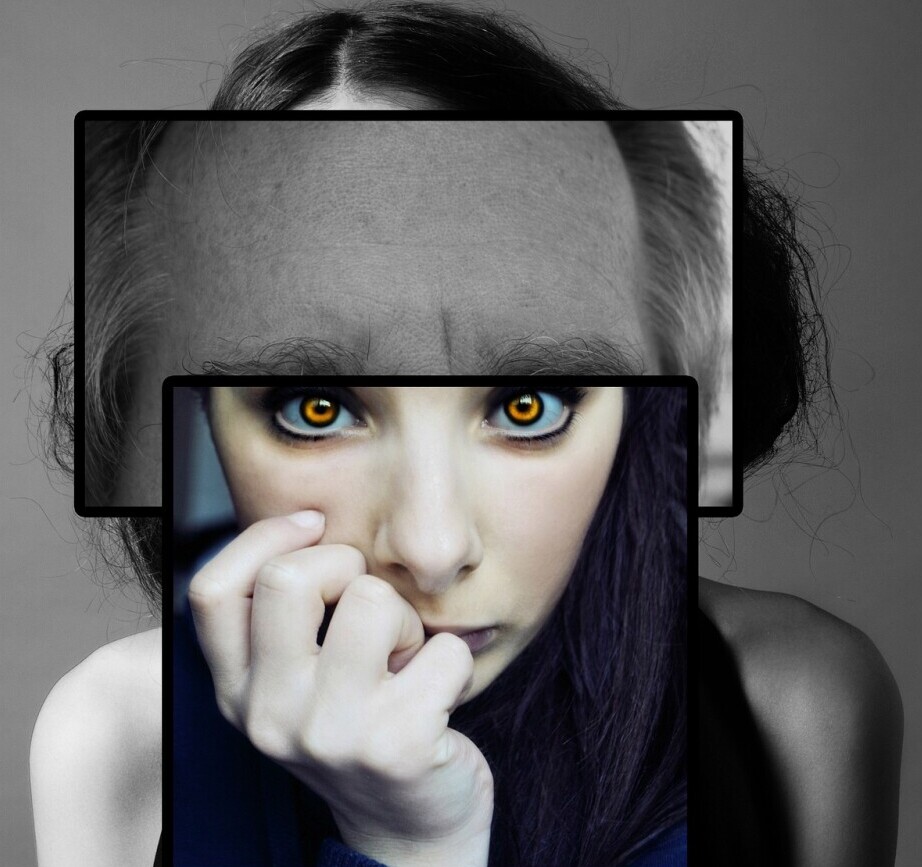
That’s the beauty of having a positive self-identity. You don’t care what anyone thinks. Love yourself for who you are because there’s no one in the world like you.
Here are some aspects that help identify your uniqueness:
- Values and beliefs
- Interests
- Talents and skills
- Likes and dislikes
- Goals
Characteristics of Individuals with a Positive Self-Identity
Integrity and Values:
Aligning daily behaviors with virtues like honesty and humanity.
Healthy Boundaries:
Setting limits and not allowing oneself to be manipulated.
Constructive Criticism:
The ability to handle feedback without becoming overly defensive.
Proactive Approach:
Taking initiative and communicating clearly.
Self-Correction:
Not dwelling on the past and maintaining a balanced view of themselves.
Key Components of a Positive Self-Identity
Self-Esteem and Acceptance:
Having a generally favorable opinion of oneself and accepting oneself as you are.
Self-Awareness:
Understanding one’s own strengths, weaknesses, and unique traits.
Purpose and Future Outlook:
Possessing a sense of direction, goals, and a positive view of the future.
Personal Power and Agency:
Believing in one’s ability to make choices and influence their own life.
Emotional Resilience:
The capability to recover easily from setbacks or challenges.
Growth Mindset:
Viewing challenges and failures as opportunities to grow rather than as definitions of worth.
Is My Identity the Same as My Personality?
Staying true to your feelings and beliefs no matter where you are in the world is what defines you. Your identity stays the same throughout the years.
On the other hand, your personality is how you behave. This changes according to the situation or circumstance you’re in.
You could be in a bad mood one day, or hopeful the next.
Another example of personality is how you behave around others. You don’t act the same around your work colleagues as you do when you’re with your family or friends.
Conclusion:
A healthy self-identity is not to be confused with a positive one. After all, the latter is largely subjective, and what one person believes about themselves differs from the next.
A healthy self-identity allows an individual to view themselves in a healthy way. Notice we don’t say positive – as this can reinforce toxic positivity. Healthy self-identity looks like having:
• A strong sense of self
• Self-awareness
• An understanding of strengths and weaknesses
• Healthy boundaries
• Self-confidence
• Emotional resilience (how easily we can bounce back from challenges)
• High interdependence (lack of needing to seek external validation)
So I hope you have a better understanding of what is positive self identity. Please comment below if you have any questions.